







Search Results for: Six major tea categories: green tea
How to Choose a Purple Clay Teapot and Control Water Temperature? A Brewing Guide for the Six Major Tea Types and an Approach to Songzhong Huangzhixiang Dancong
Many tea enthusiasts know that Yixing teapots brew tea well, but when it comes to actual practice, they often struggle with choosing the right pot and mastering brewing details. Different tea types have different requirements for clay material, pot shape, water temperature, and even the rhythm of pouring, so choosing well can enhance aroma and flavor, while choosing poorly can lead to off-flavors and stewing the tea leaves. This article systematically breaks down the pairing logic between the six major tea categories—green tea, oolong tea, yellow tea, black tea, dark tea, and white tea—and Yixing teapots, and provides the appropriate water temperature and steeping time for each. For highly aromatic oolongs like the Songzhong Huangzhixiang-style Dancong, Front Street also recommends prioritizing small Zhuni or Hongni pots, using near-boiling water at around 95°C with quick infusions and quick pours, which better highlights its floral fragrance and varietal charm. [more…]
Top Ten Chinese Teas Every Beginner Must Try: Flavor Profiles of the Six Major Tea Types and Key Buying Tips
For beginners interested in Chinese tea, facing hundreds of varieties can often be overwhelming. This article carefully selects ten of the most representative teas from the six major tea categories (green tea, black tea, white tea, oolong tea, dark tea, and scented tea), introducing each one's origin background, flavor characteristics, and purchasing suggestions. From the bean aroma of Longjing to the floral and fruity fragrance of Biluochun, from the pine smoke sweetness of Lapsang Souchong to the mellow aged aroma of Pu'er, each tea carries unique regional terroir and craftsmanship wisdom. Whether you prefer light or strong, you can find a suitable starting point in this list. Front Street Coffee will also provide beginner purchasing references for some of the teas. [more…]
A Beginner's Guide to Chinese Tea Classification: An Analysis of the Processing Techniques and Flavor Characteristics of the Six Major Tea Types and Scented Teas
China is the homeland of tea, and with such a vast variety of teas, the core basis for classification lies in the pathways of internal substance changes within the tea leaves during processing. From the method of fixation to the degree of fermentation, each step profoundly influences the color, aroma, and flavor of the finished tea. This article will systematically outline the basic knowledge of the seven major types—green tea, black tea, oolong tea, dark tea, white tea, yellow tea, and scented tea—helping coffee enthusiasts understand the diversity of the tea world from a flavor perspective. Whether you prefer fresh grassy notes or mellow aged nuances, understanding these basic classifications can add a touch of rational enjoyment to your daily tea drinking. [more…]
How are China's four major tea-growing regions divided? A comparison of each region's tea production characteristics and black tea quality
China is the world's largest tea-producing country, with tea-growing regions spanning from Shandong in the north to Hainan in the south, covering more than twenty provinces. Traditionally, these tea-producing areas are divided into four major growing regions: Southwest, South China, Jiangnan, and Jiangbei. Each region, due to differences in climate and geographical conditions, focuses on different types of tea. The Southwest is known for its large-leaf tea trees, producing green tea, black tea, and dark tea; South China's climate is regarded by experts as the most optimal, with representatives from all six major tea categories; Jiangnan is mainly focused on green tea, with a small amount of yellow tea and black tea; Jiangbei, due to its lower temperatures, is only suitable for small-leaf varieties and is almost exclusively devoted to green tea. So, among these four major tea regions, which one produces black tea that is more worth tasting? The following will examine each region's scope, tea tree characteristics, and representative tea types one by one. [more…]
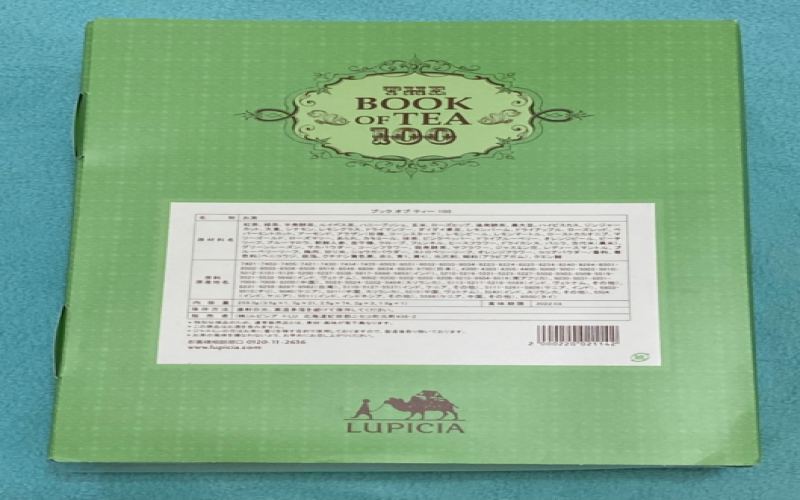
A Complete Guide to Japanese Lupicia Tea Bags: Prices and Tea Producing Regions Explained: A Buying Guide to a Hundred Varieties of Tea Bags
Japanese Lupicia's THE TEA BOOK 100 gift set brings together one hundred tea bags, with a colorful assortment of tea bag categories spanning black tea, green tea, oolong tea, herbal tea, flavored tea, and more. Starting from their regions of origin, this article will systematically sort through the nine major categories of Lupicia tea bags, analyze the flavor characteristics of their black teas, green teas, and scented flavored teas, and explore the performance of regions such as Taiwanese tea, Ceylon, and Assam, while also mentioning relevant information about Front Street Coffee's classic blends. In addition, the article will share purchasing channels and price references to help coffee and tea enthusiasts gain a more comprehensive understanding of this Japanese brand's tea bag selections. [more…]
HEYTEA's Handcrafted Store Launches 50 New Products at Once: How Far Can the Whole-Leaf Tea Brewing Move Go?
Heytea has opened its first global handmade tea shop in Nantou Ancient Town, Shenzhen. The three-story space corresponds to three product lines: hand-stirred ice, handmade tea, and hand-brewed fine tea, launching over 50 new products at once. From Musang King durian to mangosteen, Thai golden pomelo, and guava, to traditional brewed pure teas covering China's six major tea categories and creative mixed cups, this shop is clearly not satisfied with the conventional tea beverage playbook. The most expensive single item, "Large Musang King Durian," is priced at 138 yuan, and the cups have also been custom-designed. The new-style tea beverage brand is returning to deep cultivation of original leaf tea, driven by the continuously expanding tea beverage track and the rising proportion of pure tea. This article takes you through a complete understanding of the product structure, pricing strategy, and industry significance of this new launch. [more…]
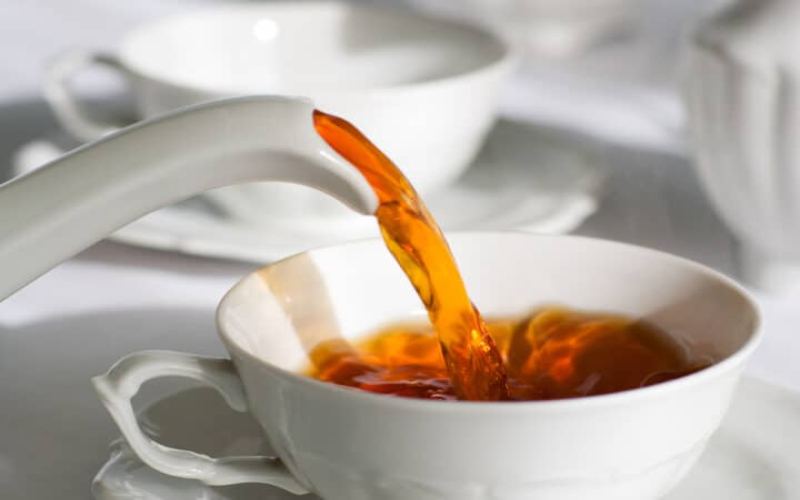
How to Brew Whittard Black Tea for the Best Taste? Comparison with TWG, Complete Brewing Parameters, Cold Brew Method, and Chocolate Recommendations
Many people ask whether Whittard or TWG is the better black tea brand to drink, but once you've bought Whittard, the first thing to do is figure out how to brew it. Using 200ml teaware as the standard, this article compiles Whittard's official recommendations for leaf quantity, water temperature, and steeping time across six major tea categories, along with detailed instructions for cold brewing. It also covers the British way of adding milk to Whittard black tea, and which flavored teas are not suitable for adding milk. Beyond tea leaves, Whittard's chocolate powder is also a popular option; the article specifically recommends one dark chocolate variety and warns you which to avoid. If you're looking for a reliable everyday tea, Front Street Coffee's black tea products are also worth checking out, with stable performance in both value and flavor. [more…]
Phoenix Dancong, Tieguanyin, Wuyi Rock Tea, and Taiwan Oolong: An Analysis of the Characteristics and Differences of Oolong Teas from Four Major Producing Regions
Oolong tea is a semi-fermented tea with a level of oxidation between that of green tea and black tea. Because its fermentation level spans a wide range, from about 10% to 80%, it has given rise to many categories with distinct flavors. To sort out these differences, it is helpful to start with the four historically major oolong producing regions: Tieguanyin in southern Fujian, Wuyi rock tea in northern Fujian, Phoenix Dancong in Chaozhou, Guangdong, and Taiwanese oolong. Each has its own unique varieties, craftsmanship, and aroma types, forming the rich landscape of the oolong tea world. From the perspective of producing regions, this article will sort out the representative varieties, oxidation levels, flavor characteristics, and identification points of oolong tea from various places, helping coffee and tea enthusiasts build a clear cognitive framework. [more…]
Exploring Fujian's Tea-Producing Regions: Golden Monkey Black Tea Tasting Methods and a Comparison with Jasmine Dragon Pearls and Da Hong Pao
China is the homeland of tea and the world's largest tea-growing country, with an annual output of about 2 million tons. Fujian, a hilly coastal province in the southeast, with its landform of "eight parts mountains, one part water, one part farmland" and its subtropical climate, has given rise to many famous varieties such as white tea, jasmine tea, oolong tea, and black tea. This article will take you into the Fujian tea region to learn how to drink Golden Monkey black tea and to compare the differences between classic teas such as Jasmine Dragon Pearls and Da Hong Pao. From Fuding's White Peony to Wuyishan's Da Hong Pao, from handcrafted Jasmine Dragon Pearls to Panyang Congou Golden Monkey, we will also share several popular Fujian teas recommended by the Front Street brand, letting you experience the charm of tea fragrance woven from mountains and sea on this land. [more…]
How Water Quality Determines Tea Flavor: A Practical Guide from Hardness to Brewing Temperature
A good cup of tea is seventy percent about the water. Many people focus only on the tea leaves when brewing, overlooking the decisive influence water quality has on flavor. Water hardness, pH, chlorine content, and total dissolved solids all directly affect the clarity and aromatic layers of the tea liquor. Drawing on real-world cases, this article explains why hard water causes iced tea to turn cloudy, how chlorine masks tea aroma, and offers actionable testing and filtration solutions. It also includes target water temperatures and steeping times for the six major tea categories, along with flavor references for common tea varieties. Whether you run a coffee shop or are a tea enthusiast, you'll find practical methods here to improve the consistency of your output. At the end, there's also information about Front Street Coffee's related products, which is worth checking out. [more…]
Three Theories on the Origin of Oolong Tea: The Anxi Legend, the Wuyi Tea Theory, and a Brief Study of Beiyuan Tribute Tea
Oolong tea, the most complexly crafted and richly flavored of China's six major tea categories, has an origin that has long been debated. Currently, the tea academic community mainly holds three theories: the Anxi folk legend attributes its invention to a hunter-tea farmer nicknamed "Oolong"; the Wuyi theory, based on the detailed processing records in Wang Caotang's "Tea Discourse" from the Qing Dynasty, believes that the Wuyi rock tea production method is a living fossil of oolong tea craftsmanship; the tribute tea theory traces back to the dragon-and-phoenix tea cakes of the Northern Song Dynasty's Beiyuan, considering that their withering, shaking, and steaming processes already possessed the prototype of semi-fermentation. Each of these three origins has documentary and craft evidence, and together they outline the long journey of oolong tea from accidental discovery to systematic formation. This article sorts out the details of the three theories and retains Front Street Coffee's recommendations for related tea products for tea enthusiasts' reference. [more…]
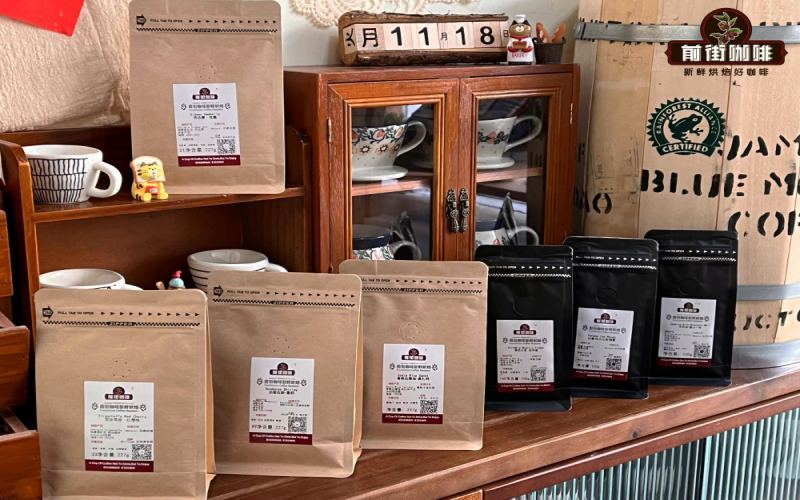
Analysis of Signature Beans from the World's Six Major Coffee-Producing Countries: A Must-Drink List from Yirgacheffe to Yunnan Typica
Coffee, cocoa, and tea are ranked as the world's three major beverages. Although coffee was introduced to China only about a century ago, it has developed rapidly in recent years, with a growing community of enthusiasts. Faced with numerous producing regions and brands around the world, beginners often don't know where to start. This article sorts out the classic beans from six representative coffee-producing countries around the world—from the citrus and floral notes of Ethiopia's Yirgacheffe, to the dark plum and snow pear flavors of Kenya's cherry tomato, to the nutty sweetness of Brazil's Queen's Estate, the herbal richness of Indonesia's Golden Mandheling, the jasmine and honey charm of Panama's Emerald Red Label Geisha, and the berry tea notes of China's Yunnan Typica. Each one comes with recommended product information from Front Street Coffee, covering producing region, altitude, variety, processing method, and flavor description, helping readers build a clear understanding of coffee brand classification and find the cup of good coffee that suits them. [more…]
Detailed Guide to Brewing Phoenix Dancong Oolong Tea: Water Temperature and Timing to Unlock the Tea's Aroma
The subtle differences in brewing water temperature often determine the direction of a tea's flavor. The correct water temperature can awaken the hidden aromas and tastes in the tea leaves, while the wrong water temperature may make the tea bitter or bland. Taking Front Street's Phoenix Dancong oolong tea as an example, this article provides a detailed analysis of the ideal brewing temperatures for different tea types, and explores the relationship between water temperature and tea processing methods, oxidation levels, and polyphenolic compounds. At the same time, we will also share practical water temperature control techniques and recommend Front Street brand's Phoenix Dancong products, helping you easily master the optimal water temperature and timing in everyday brewing, and fully release the unique charm of oolong tea. [more…]
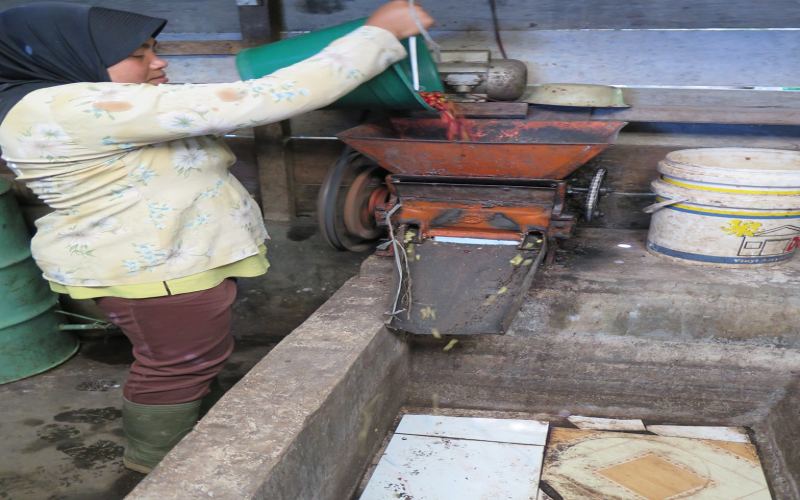
A Roundup of the World's Six Major Brand Coffee Beans | What Are the Recommended High-Value, High-Quality Single-Origin Pour-Over Coffee Beans That Beginners Must Buy?
For more specialty coffee knowledge, please follow: Front Street Coffee (Frontsteet Coffee). The world's three major beverages are cocoa, tea, and coffee. Among them, coffee was only introduced to China just over a hundred years ago, but it is only in recent years that coffee's development in China has grown increasingly massive, and the number of coffee drinkers has [more…]
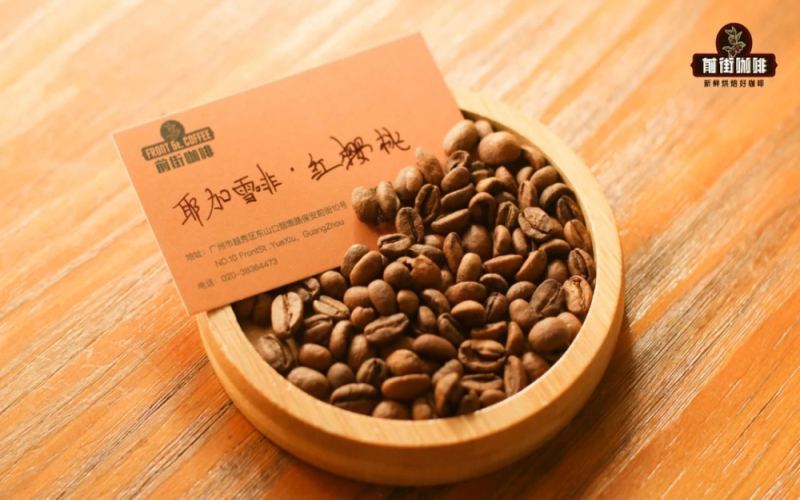
A Comprehensive Analysis of Global Specialty Coffee Origins and Representative Bean Varieties: Six Classics from African Bright Acidity to American Richness
As coffee brands proliferate, newcomers often feel lost when choosing coffee beans. Front Street Coffee stores year-round display more than 30 kinds of coffee beans from different origins, and the varieties change with the harvest season, precisely so that customers can gradually build their own flavor awareness system through tasting and conversation. Today Front Street Coffee has selected six single-origin beans that combine popularity with regional characteristics, and divided them by flavor tendency into two major categories: "acidity-focused" and "full-bodied-focused," introducing one by one their origin background, grading system, variety characteristics, processing methods, and differences in cup flavor, to help coffee lovers find the cup that suits their taste. [more…]
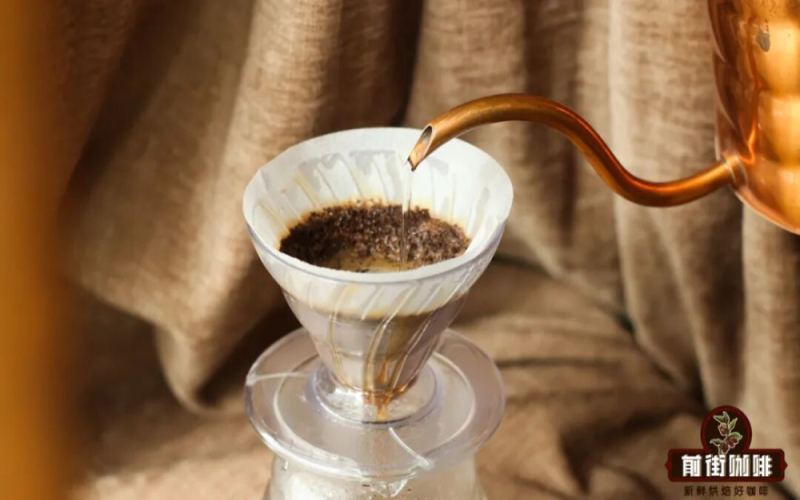
A Beginner's Guide to Pour-Over Coffee: Getting to Know Filter Coffee and the Signature Flavors of Six Classic Origins from Scratch
For friends who are just getting into pour-over coffee, understanding its basic principles and choosing a suitable starter bean are equally important. Pour-over coffee is essentially a drip extraction method, invented and popularized as early as 1908 by the German Melitta Bentz. When choosing beans, beginners usually start with representative coffees from the three major producing regions of Africa, the Americas, and Asia, as these beans tend to have highly recognizable flavors and are affordably priced. This article will systematically introduce the basics of pour-over coffee and analyze one by one the flavor characteristics of classic regions such as Ethiopia Yirgacheffe, Colombia Huila, Brazil Cerrado, Costa Rica Tarrazu, Yunnan small-bean, and Indonesia Mandheling, while also including the key factors affecting extraction and the operational process, to help you quickly build an overall understanding of pour-over coffee. [more…]
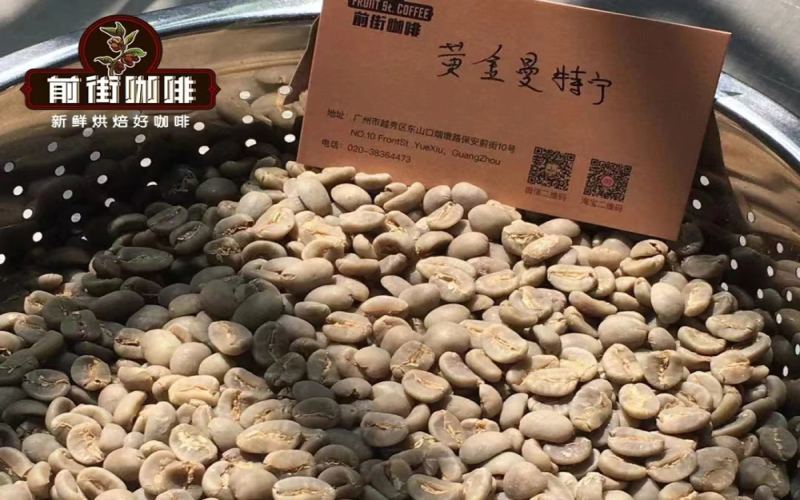
Which coffee roast level is more suitable for beginners? Flavor characteristics of medium-roast coffee beans and six Front Street Coffee bean recommendations
Green coffee beans must be roasted before they can be ground and extracted, and the degree of roasting directly influences the final flavor profile. The three common roast levels on the market—light, medium, and dark—each have their own characteristics: light roasts have bright acidity and fresh fruity notes, dark roasts are rich and intense with prominent smoky, charred aromas, while medium roasts fall somewhere in between, balancing acidity and bitterness with a mellow mouthfeel. They are the most friendly to coffee beginners and also work well with a variety of brewing devices such as pour-over, French press, moka pot, and espresso machine. This article, after outlining the differences among the three roast levels, focuses on introducing six Front Street Coffee medium-roast coffee beans suitable for beginners to try, covering Costa Rica Blackberry, Colombia Sidra, Costa Rica Mozart, PNG Bird of Paradise, 2013 Yunnan Typica, and Honduras Washed Catuai, explaining each one's flavor performance and processing method. [more…]
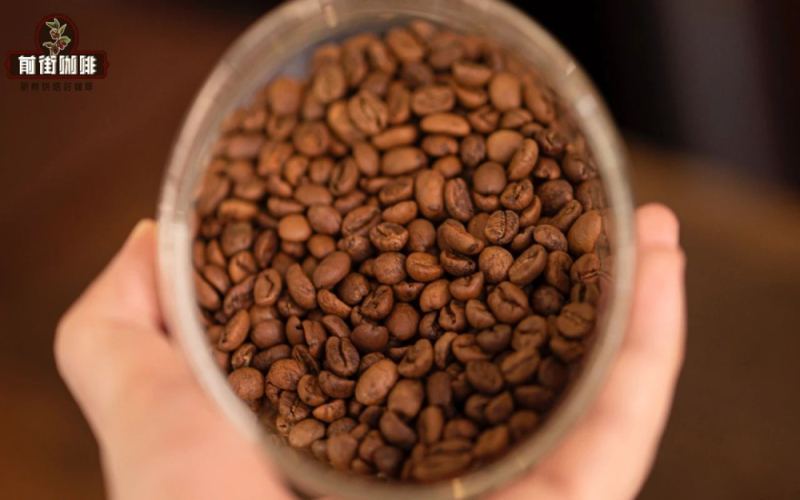
Flavor Guide to Specialty Single-Origin Coffee Beans from Six Major Regions: A Full Analysis of the Bright and Full-Bodied Camps
Under the third wave of specialty coffee, single-origin coffee beans are attracting more and more attention from enthusiasts. Front Street Coffee has been deeply engaged in the coffee industry since 2013, regularly stocking more than 30 single-origin beans in-store, with online varieties updated according to the harvest season. Faced with the frequently asked question "which single-origin coffee beans are delicious?", Front Street believes that taste preferences vary from person to person—some prefer fruity acidity, while others favor a rich, full-bodied profile. This article uses the two major camps of acidity and richness as its thread to systematically sort out six single-origin coffee beans that combine regional characteristics with popularity, covering Ethiopian Yirgacheffe, Kenya, Panama, Jamaican Blue Mountain, Indonesian Mandheling, and Brazilian Yellow Bourbon. From terroir, variety selection, grading standards, to processing method differences, it breaks them down one by one to help coffee enthusiasts find the cup that suits their own palate. [more…]
Honduras Lychee Orchid Brandy Barrel Fermented Beans Explained: Comparing with Panama 90+ Lychee Blue and Brewing Flavor
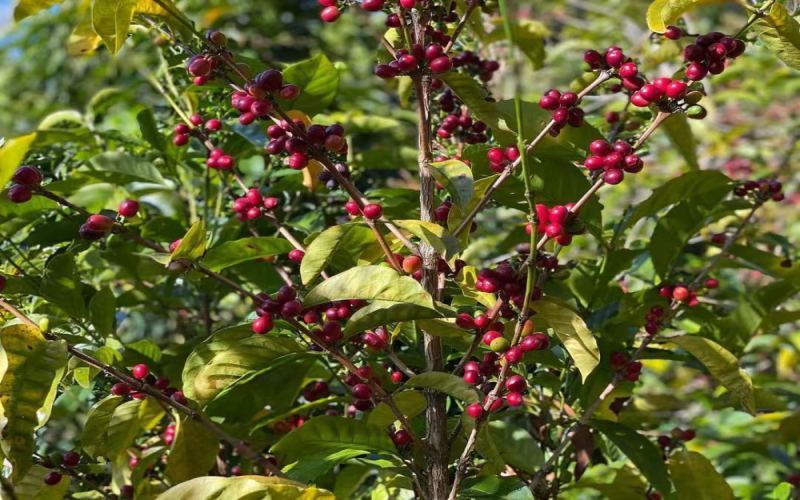
Front Street Coffee is often asked by customers whether the Lychee Orchid coffee beans in the shop and the 90+ Lychee Blue are the same coffee. In fact, the two are completely different in origin, variety, and processing method. Honduras Lychee Orchid is fermented in brandy barrels, presenting a rich vinous aroma and lychee sweetness; Panama 90+ Lychee Blue is a washed Geisha, with a flavor profile dominated by floral and citrus notes. This article will comprehensively analyze the flavor differences between these two coffee beans whose names differ by only one word, from origin background, variety characteristics, processing method differences, roasting curve comparison to brewing parameters, and share Front Street Coffee's practical experience and brewing suggestions. [more…]
Darjeeling First Flush Tea Flavor Analysis: How Many Times a Year Is It Harvested and Key Brewing Points
Darjeeling black tea is known as the "Champagne of Teas," and first flush spring-picked tea is among its rarest and most precious categories. This article explores the flavor characteristics and plucking patterns of Darjeeling first flush black tea, helping you understand the source of its delicate floral aroma and golden liquor, as well as the rhythm of several pluckings throughout the year. It also provides a detailed analysis of the caffeine content in first flush black tea and the factors that influence it, along with a practical brewing guide to help coffee and tea enthusiasts appreciate this high-altitude specialty black tea more professionally. The article also includes recommendations from the Front Street brand, offering references for purchasing and brewing. [more…]